Happy Bee: A Playful Handwriting Font for Creative Projects
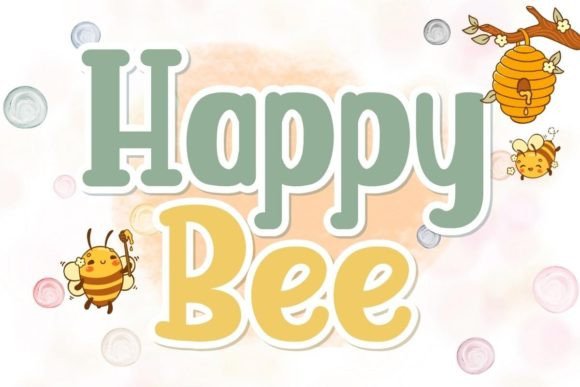
Finding a typeface that genuinely feels personal can transform a good design into something memorable. Happy Bee is a handwriting font that captures a sense of warmth, approachability, and casual charm. It's not trying to be overly formal or serious. Instead, it leans into a natural, slightly irregular flow that mimics the look of friendly, hand-lettered notes. This quality makes it a valuable creative font for projects where you want to inject personality and connect with your audience on a human level. The letterforms have a soft, rounded quality with a consistent, gentle bounce that keeps the text feeling lively and inviting without becoming distracting.
Its visual personality is distinctly cute and diverse. You won't find sharp, aggressive angles here. The strokes feel organic, with subtle variations in weight that give it an authentic handcrafted appearance. This isn't a stiff, mechanical script font; it's a handwritten font with character. The overall appeal lies in its versatility—it’s stylish enough to feel intentional but relaxed enough to feel approachable. This balance is key for designers and creators who need a typeface that conveys friendliness and creativity simultaneously. Whether you're working on a logo design for a cozy cafe or social media graphics for a lifestyle brand, Happy Bee provides a visual voice that feels genuine and engaging.
Where Happy Bee Truly Shines
The strength of Happy Bee lies in its application across projects where personal touch and visual warmth are priorities. It’s a natural fit for packaging design, especially for artisanal goods, baked treats, or boutique products where the packaging itself is part of the brand story. Imagine it on a gift tag, a thank-you card, or the label of a handmade candle—it immediately communicates care and thoughtfulness. This makes it an excellent choice for small business owners and crafters looking to elevate their product presentation with a premium font that doesn’t feel corporate.
For editorial design and publishing, it works beautifully for pull quotes, chapter headings, or subheadings in magazines and blogs targeting a creative or lifestyle audience. Its legibility at medium sizes makes it suitable for short blocks of text that need to stand out, like a featured recipe in a cookbook or a callout in a travel journal. In the digital space, Happy Bee excels in web design for headers, buttons, and accent text on sites for photographers, wedding planners, or wellness coaches. It adds a layer of personality that a standard sans serif font cannot provide, helping to build a more distinctive and memorable brand identity.
It’s also perfect for personal and commercial merchandise. Think about custom t-shirts, mugs, tote bags, and stationery. The font’s friendly aesthetic ensures the message feels personal and celebratory, which is exactly what you want on a birthday card or a congratulatory banner. For marketers and content creators, using Happy Bee in quote graphics, Instagram stories, or YouTube thumbnails can increase visual appeal and stop the scroll, as its handwritten style feels more authentic and less templated than many standard design assets.
Making Happy Bee Work in Your Designs
Choosing the right font is just the first step; using it effectively is what brings a design to life. Happy Bee is a display font, meaning it’s designed to catch the eye at larger sizes. For readability, it’s best used for headlines, titles, logos, and short phrases rather than long paragraphs of body text. Pairing it with a clean, neutral serif font or a simple sans serif font for body copy creates a balanced font pairing. This contrast allows the personality of Happy Bee to stand out without overwhelming the reader, establishing a clear visual hierarchy in your layout.
Before committing, always test the font in context. Type out your specific headlines or key messages to see how the character spacing and ligatures feel with your words. Check the included styles—does it come with alternates, swashes, or multiple weights? These extras can add significant value and flexibility to your design assets. For commercial use, verify the licensing. A commercial font license is essential if you plan to use it in products for sale, client work, or monetized digital content. Understanding the terms ensures your project remains professional and legally sound.
Consider the emotional tone of your project. Happy Bee communicates joy, approachability, and creativity. If your brand’s voice is authoritative, minimalist, or highly technical, this font might not be the right fit. But for businesses and projects centered on community, celebration, artistry, or personal connection, it can significantly enhance brand perception and audience engagement. Its consistent, friendly character helps build recognition and makes your communications feel more human. By thoughtfully integrating Happy Bee into your typography toolkit, you gain a versatile asset that can add a genuine spark of happiness to a wide array of creative and professional endeavors.